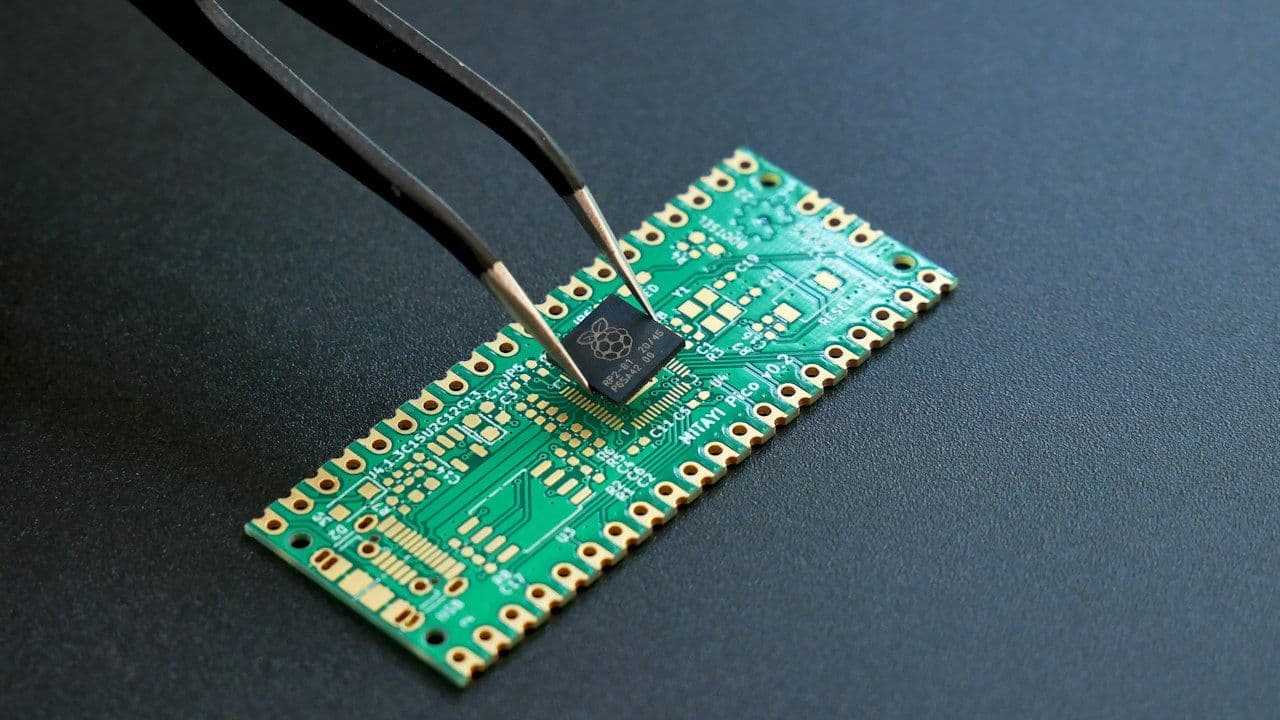
Embedded Systems
Master developing high-performance devices with microcontrollers, Arduino and embedded C.
- 4 Months
- 10 modules
- 6 projects
- Certificate
 Alfrah Cognix
EmbeddedSystems
Program the devices around you
About the program
Learn to design and program the electronics inside everyday devices. You will start with electronics and digital circuits, master microcontrollers and Arduino, build strong C, C++ and data structure skills, program peripherals and protocols, and test your designs in simulation before hardware.
What you will learn
- Design combinational and sequential digital circuits
- Understand microcontroller architecture, including the 8051
- Program Arduino boards in C++ and Python
- Write efficient C and C++ with pointers, structures and the STL
- Program GPIO, ADC, timers and keypads
- Use UART, SPI, I2C and simulate designs before building
Who it is for
- ECE, EEE and instrumentation students
- Engineers moving into core electronics roles
- Hobbyists who want to build real devices
Prerequisites
- Basic electronics knowledge
- Some programming exposure is helpful
Curriculum
10 modules · 53 topics · built around hands-on practice
- Number systems
- Logic gates
- Diode, transistor and op-amp circuits
- Adders, multiplexers, encoders and decoders
- Flip-flops, registers and counters
Tools and technologies
Projects you will build
Smart automatic room light
Switch lights on and off automatically using sensors.
Temperature monitoring system
Read an LM35 sensor through the ADC and display live temperature.
Traffic light controller simulation
Design and simulate a timed traffic light controller.
8051-based digital counter
A counter built and programmed on the 8051 microcontroller.
Arduino smart doorbell
A connected doorbell built on an Arduino board.
UART serial communication
Send and receive data between devices over UART.
Where this program can take you
Ask a counsellor about the roles this program prepares you for, and how to plan your next steps.
Frequently asked questions
ECE, EEE and instrumentation students. Engineers moving into core electronics roles. Hobbyists who want to build real devices. A counsellor can help you check if it is the right fit.
Basic electronics knowledge. Some programming exposure is helpful. The program starts from the fundamentals and builds up step by step.
The program runs for 4 months and covers 10 modules with 53 topics and 6 hands-on projects.
Yes. You receive a course completion certificate after finishing the program requirements and projects.
Fees depend on the batch and mode you choose. Send an enquiry and a counsellor will share current fees, EMI options and any scholarships.
A counsellor usually calls you within 24 hours on working days to understand your goals, answer questions and share upcoming batch dates.
More in Electronics
Related programs

Get in touch
Let's plan your next step
Send us a message and a counsellor will get back to you with the right program and batch details.